
Showing 85 results

Alejandro Camacho, Robert L. Glicksman | May 21, 2026
This excerpt is from a commentary originally published in The Conversation. In recent years, at least two dozen local and state governments have sued petroleum companies to recover the billions in costs they have incurred responding to and rebuilding after flooding, storms and wildfires – all of which have been worsened by changes to the […]
Steph Tai | May 7, 2026
The question of which court should hear a case isn’t always as easy as it might seem — and the answer can sometimes make a difference in the potential outcome. For instance, in 2013, the government of Plaquemines Parish, Louisiana, decided to sue several oil companies for violating a 1978 state law that required a state permit for oil production along the Louisiana coast.

Alejandro Camacho | May 5, 2026
The Trump administration recently repealed the U.S. Environmental Protection Agency’s 2009 endangerment finding—the scientific and legal determination that greenhouse gases threaten public health and welfare that has anchored federal climate regulation for nearly two decades. Environmental Protection Agency Administrator Lee Zeldin called the finding “the Holy Grail of federal regulatory overreach.” Within weeks, a coalition of more than 20 states filed suit in the U.S. Court of Appeals for the D.C. Circuit to reverse the repeal. The legal battle that follows will help define American environmental policy for a generation. Brigham Daniels and I did not plan the timing of our new book, Lessons for a Warming Planet: A Vital History of US Environmental Law, to coincide with this particular legal conflict. But we could not have chosen a more clarifying moment for its release. The endangerment finding repeal is not an aberration—it is a recognizable recurrence in a history that stretches back centuries. Law has always been the primary engine of both environmental exploitation and protection in the United States.

Bryan Dunning | May 4, 2026
On April 23, the Baltimore Sun published an op-ed lambasting efforts by localities and states to hold the fossil fuel industry responsible for decades of misinformation about the dangers of their products. These hazards to the public’s health, welfare, and safety are now coming home to roost in the form of extreme weather, increased flooding […]
James Goodwin | May 4, 2026
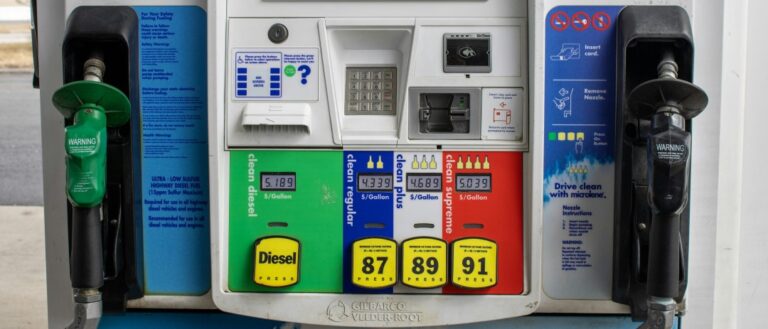
On April 24, The Washington Postpublished an op-ed that sought to blame an unusual source for the high energy and gas prices Americans are now facing: justice. Specifically, it claims that these price increases are the result of state and local governments trying to hold Big Oil accountable for the climate-related harms their constituents are continuing to suffer. I submitted a letter to the editor debunking the op-ed’s argument, noting that the real cause of higher gas prices is the illegal war in Iran.
James Goodwin | April 22, 2026
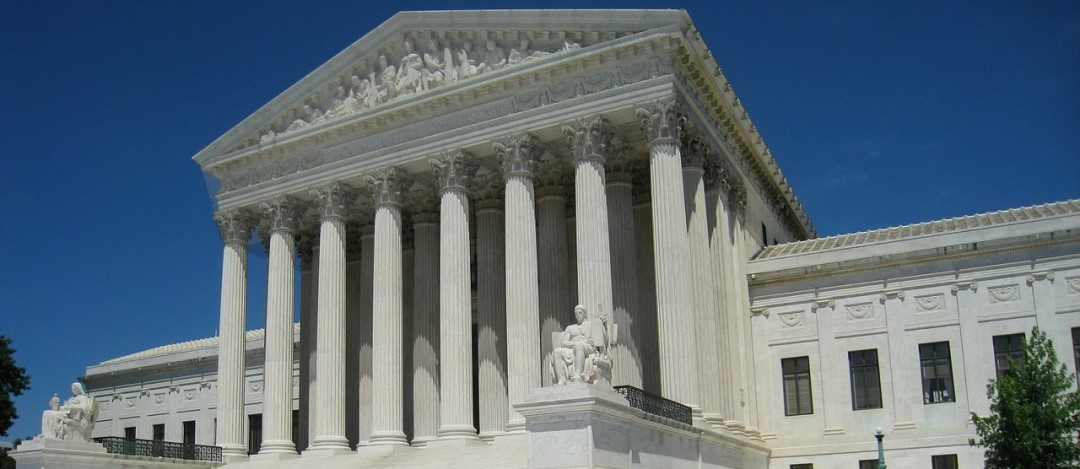
On April 18, The New York Times dropped a bombshell with a story that offered a unique window into the political inner world of the U.S. Supreme Court. Based on a series of leaked memos, the story retraces the events leading up to the Court’s extraordinary decision to halt the enforcement of the Obama administration’s Clean Power Plan, a rule to limit greenhouse gas emissions from the power sector, even while the case was still pending in the D.C. Circuit Court of Appeals.
James Goodwin | April 16, 2026
In early April, The Washington Post published an op-ed trashing state and local efforts to hold Big Oil and Gas accountable under the law for the lies they told about their products’ connections to climate change and damages they inflict on people and the planet. I submitted a letter to the editor presenting counterpoints to the op-ed’s claims, which included the absurd notion that insulating some of the biggest companies on earth from even a small measure of justice is somehow a vital “national security” interest. The Post chose not to run that letter, so I’m sharing it with readers here.
Evan George | April 14, 2026
This Earth Day, environmental advocates are looking backward as well as forward. With the U.S. federal government so dramatically overhauling environmental policy, history shows how American social movements of the 19th and 20th centuries overcame seemingly insurmountable odds to preserve public lands and pass laws protecting human health. “I’ve been trying to look through the history of the United States to understand how we’ve gotten where we are,” said Alejandro Camacho, a Professor of Law at UCLA School of Law and co-author of Lessons for a Warming Planet: A Vital History of U.S. Environmental Law, which comes out on Earth Day, April 22, 2026. “Prior generations did meet the moment and at least partially addressed some of the major problems that were in front of them.” Camacho discusses the book in this lightly edited transcript.

Daniel Farber | February 24, 2026
If the Trump EPA successfully repeals the endangerment findings for vehicles and stationary sources, states will be the only resort for climate action. A key question is how the repeals would impact state power relating to carbon emissions. The bottom line answers are: (1) the impact on state power to regulate tailpipe emissions seems unclear but could be positive; (2) there would be no effect on state power to regulate stationary sources like power plants; (3) plaintiffs suing oil companies would probably benefit.