
Human-driven climate change is directly related to more catastrophic events like intensifying droughts, floods, and extreme heat. These effects have disparate impacts on historically marginalized communities, including communities of color, immigrant groups, the working class, and LGBTQ+ communities.
Compounding factors have also led to a lack of energy-efficient and healthy housing and have led to high energy burden (high amount for energy bills relative to income) for these same communities. The result is that people who have contributed the least to climate change are experiencing its worst effects.
Bold action is needed, and decarbonization is among such essential actions. To get there, government and the energy sector need creative solutions and approaches, and exploring alternatives to investor-owned utilities (IOUs) is one path states and localities can take.
Two policy briefs published by the Center in recent months explain that even before the second Trump administration and the 119th Congress launched their broadsides against the Inflation Reduction Act (IRA), the scale and pacing of decarbonization was already lagging at investor-owned utilities. The effective repeal of the IRA means there are now even fewer industry incentives to decarbonize and more carbon pollution on the way.
Most customers in the U.S. are served by investor-owned utilities. Due to their complicated mix of historical industry capture and political power, information asymmetries in the regulatory context, the profit motive of energy production and distribution, and tax policy, IOUs are often disincentivized from advancing an equitable clean energy transition.
That’s why our first brief calls for solutions outside the IOU structure to facilitate a clean, equitable, and just energy transition. It explores alternative models for energy generation and distribution, including:
The brief outlines the benefits and drawbacks of each approach and addresses legal mechanisms and barriers for adopting these alternatives.
Our second brief zooms in on electric cooperatives, diving deeper into these instruments of energy equity in rural communities.
Electric cooperatives already serve a vital role in bringing electricity to sparsely populated and historically energy burdened regions. A brief history of why finds that the private market failed to address electricity connection in rural areas in the 20th century as there weren’t significant financial incentives for economic scale in sparsely populated areas, leaving service gaps and high costs to customers, and ultimately prompting state intervention.
Still, there are limitations to electric cooperatives. They are often embedded in long-term fossil fuel contracts with substantial debts or are contracted with IOUs with resource mixes that don’t meet decarbonization goals.
However, and particularly in the rural communities they are based in, electric cooperatives can be agents of decarbonization if they embrace funding opportunities to move toward a clean energy future, improve fair representation across elected boards, listen to their member-owners’ desires for clean energy resources, collectively pressure suppliers to adopt cleaner energy resource mixes, or exit distributor contracts entirely.
The electricity sector needs to deeply decarbonize, rapidly and equitably. Check out our policy briefs here and here, and help us spread the word about some of the ways to get there with our one-click social media toolkit.
Showing 2,944 results

Sophie Loeb | January 28, 2026
Two policy briefs published by the Center in recent months explain that even before the second Trump administration and the 119th Congress launched their broadsides against the Inflation Reduction Act (IRA), the scale and pacing of decarbonization was already lagging at investor-owned utilities. Most customers in the U.S. are served by investor-owned utilities. Due to their complicated mix of historical industry capture and political power, information asymmetries in the regulatory context, the profit motive of energy production and distribution, and tax policy, IOUs are often disincentivized from advancing an equitable clean energy transition. Our policy briefs explore several alternatives to the IOU model as part of a just transition to clean energy.

Alejandro Camacho | January 27, 2026
The world’s ecosystems have been subject to an increasingly dangerous cocktail of stressors from land and ocean over-development, invasive species, and pollution. But rather than stem the tide of these harms, the Trump administration has resurrected several regulatory changes to the Endangered Species Act designed to stifle species’ protections and provide land developers even more power to destroy invaluable ecosystems.

Daniel Farber | January 26, 2026
At its core, the unitary executive theory (UET) says that the president can fire anyone in the executive branch for any reason or no reason. Although the UET purports to be based on originalism, it has become clear that the U.S. Supreme Court has no interest at all in examining the history. Supreme Court conservatives think complete presidential control is simply the ideal way to run the government. The deep flaws in that theory are now becoming apparent.

Daniel Farber | January 9, 2026
In 2025, President Donald Trump rolled out new initiatives at a dizzying rate. That story, in one form or another, dominated the news. This year, much of the news will again be about Trump, but he will have less control of the narrative. Legal and political responses to Trump will play a greater role, as will economic developments. Trump’s anti-environmental crusade may run into strong headwinds.

Hannah Wiseman, Seth Blumsack | December 15, 2025
As projections of U.S. electricity demand rise sharply, President Donald Trump is looking to coal – historically a dominant force in the U.S. energy economy – as a key part of the solution. In an April 2025 executive order, for instance, Trump used emergency powers to direct the Department of Energy to order the owners of coal-fired power plants that were slated to be shut down to keep the plants running. But there remain limits to the president’s power to slow the declining use of coal in the U.S.

Daniel Farber | December 11, 2025
A recent U.S. Office of Management and Budget (OMB) memo proclaimed the Trump administration’s commitment to “deregulating at an unprecedented scale.” To advance that agenda, the memo tells agencies to put a thumb on the scale in favor of rollbacks. In contrast, most lawyers and economists would say that regulation and deregulation are subject to the same rules. Sometimes, the conventional wisdom is right.

Madison Condon | December 3, 2025
In Free Gifts, Alyssa Battistoni traces the concept of the “externality” across the past century. This history begins in 1920, when the economist Alfred Pigou observed how private market transactions could impose uncompensated harms on third parties, such that the prices of goods failed to reflect their true (social) cost. Fortunately, he argued, these external costs could be rectified by government intervention: adding a tax equal to the social cost, which would cause market trading to “internalize” the harm and produce the optimum amount of the activity in question. Free-market advocates viewed such externalities as a rare exception to the general rule of the wisdom of the market. As Battistoni describes, however, this would change in the coming decades.
Sophie Loeb | December 2, 2025
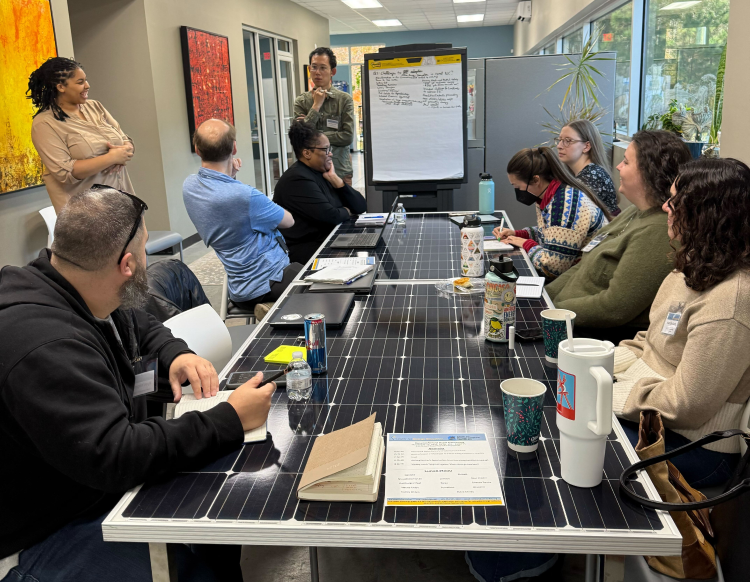
On November 13, 20 folks attended the second annual rural clean energy convening in Roanoke Rapids, North Carolina, co-sponsored by the Center for Progressive Reform and the Center for Energy Education. Attendees included academics, energy policy advocates, small-scale developers, technical experts, and government representatives. We built off last year’s convening, addressing the new North Carolina policy landscape and context given the repeal of federal funding, the state’s proposed unfavorable carbon plan, and rising energy burden in communities.
Rachel Mayo | November 25, 2025
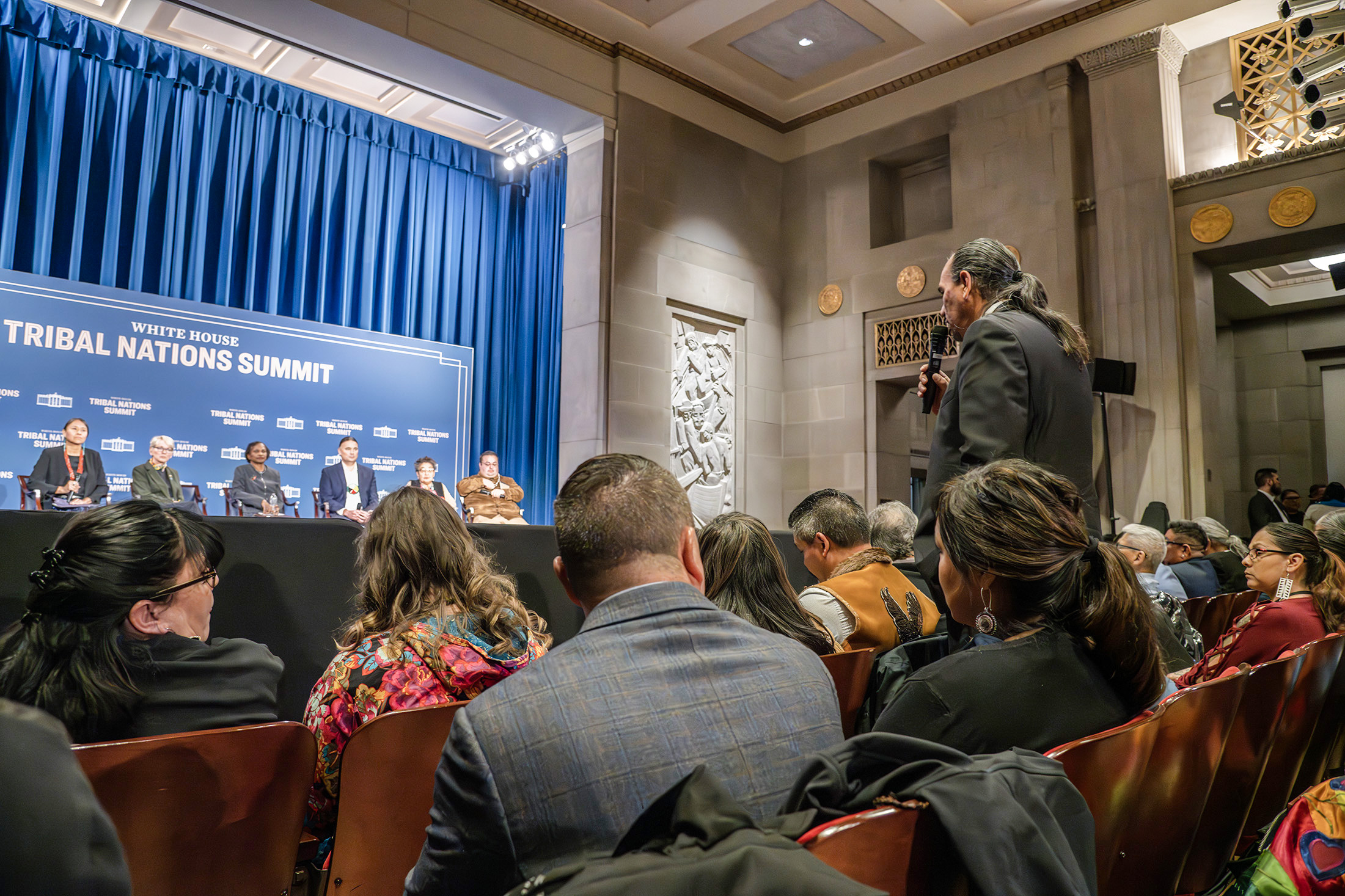
This November, we honor the leadership, knowledge, and resilience of America’s first peoples, who have safeguarded the land, water, and air that sustain us all.